
September 2026

The Backup Nobody Has Tried to Restore
The dashboard is green. Every nightly job finished on schedule, every storage target reports healthy, and the monthly summary to management says what it said last month: backups successful. Then a storage array fails on a Tuesday morning. The team learns what a green dashboard never measured: whether any of that data can actually come back.
Backup software, whether from Veeam or any other vendor, can confirm that data was copied. On its own, it can’t confirm that a business can run again from that copy. Someone has to ask it to prove that.
A Completed Job Is Not a Recovered System
Backup reporting answers a narrow question: did the data leave the source and arrive at the target without an error? That is useful to know. It is also a long way from the question an executive asks during an outage, which is how soon the systems will be back.
Between those two questions sits almost everything that goes wrong in real recoveries.

Testing Without Touching Production
The usual objection to restore testing is risk, since nobody wants a copy of the payroll server running next to the real one. Modern backup platforms get around this by restoring into isolated environments. These are networks walled off from production, where machines can boot, run and be checked without conflict.
In Veeam settings, for instance, a feature called SureBackup starts backed-up machines inside such a sandbox and runs automated checks. It confirms whether each machine boots, whether it responds on the network and whether key applications start. Other platforms offer similar verification. The tool matters less than the habit: scheduled, repeated proof rather than a single test performed years ago.
Automated checks have limits. They confirm that a system starts, but not that a finance team can close the month on it. Periodic hands-on tests with the people who actually use the applications fill that gap.

Increase Business Resilience With Secure Backups Across Hybrid Cloud Environments
Business continuity depends on recoverable data, not storage alone. Hybrid environments spread workloads across private infrastructure and cloud resources. Veeam supports secure backup planning across these connected layers. Strong recovery practices protect critical records during outages, errors, and security incidents. A resilient approach also considers access controls, recovery speed, retention needs, and backup verification.
Build Protection Around Critical Workloads
Reliable backup planning begins with workload priorities. Financial records, customer databases, and operational files need different recovery targets. A clear inventory identifies essential systems first. This approach prevents limited recovery resources from being wasted elsewhere.
Where Should Backup Copies Reside?
Separate backup locations reduce exposure during infrastructure failures. A practical design can combine local copies with cloud storage. Consider these safeguards:
- Keep recovery copies away from production systems.
- Encrypt backup data during transfer.
- Restrict administrative access through defined roles.
- Test restoration procedures against realistic scenarios.
Secure Recovery Across Connected Environments
Hybrid infrastructure creates several access points. Each connection needs controlled permissions and monitoring. Veeam can support centralized backup management across different workloads. Strong identity controls also reduce unauthorized changes. Recovery data should remain protected throughout its complete lifecycle.

Can Immutable Storage Limit Damage?
Immutable storage prevents protected backup data from being altered prematurely. This matters during ransomware incidents or accidental deletion. A defined retention period keeps recovery points available. Regular verification then confirms that stored copies remain usable when restoration becomes necessary.
Recovery Testing Reveals Hidden Weaknesses
A backup becomes valuable only when restoration works. Scheduled tests expose missing credentials, damaged files, slow transfers, and configuration gaps. Useful checks include:
- Restore selected files from recent recovery points.
- Measure recovery time for critical workloads.
- Validate application consistency after restoration.
- Record failures and assign corrective actions.
- Repeat testing after major infrastructure changes.
Resilience Starts With Recoverable Data
A resilient backup strategy connects protection with recovery decisions. Local copies offer rapid access, while separated cloud copies add another recovery layer. The important shift is simple: backup planning becomes operational readiness when restoration steps are tested before an outage forces action.
FAQs
What makes hybrid cloud backup resilient?
Resilience comes from protected copies, separated storage, controlled access, and tested restoration procedures.
Why should backup copies remain separated?
Separation limits the impact of infrastructure failures, accidental deletion, and attacks affecting production environments.
How often should recovery testing occur?
Testing should follow defined operational schedules and repeat after significant infrastructure or workload changes.
What should backup teams monitor?
Teams should monitor backup success, storage integrity, recovery performance, access activity, and unresolved restoration issues.
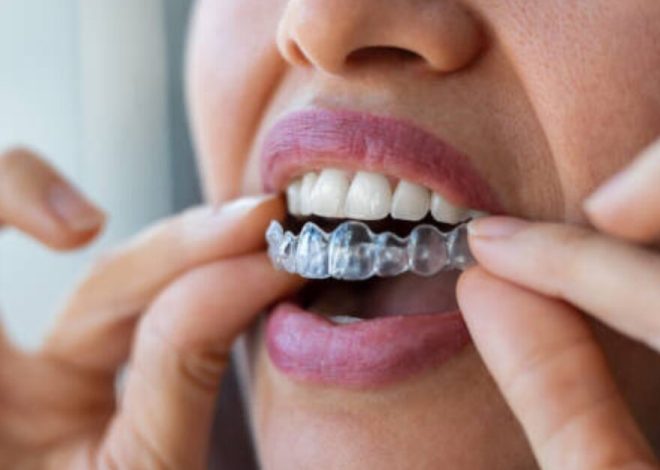
How Invisalign Aligners Reduce Orthodontic Relapse Rates Through Advanced Retention Planning
Understanding the Challenge of Orthodontic Relapse
Orthodontic relapse remains one of the most frustrating phenomena in dental treatment, affecting patients who have invested considerable time and resources into achieving their perfect smile. The tendency for teeth to drift back towards their original positions following treatment has long plagued both practitioners and patients alike. However, Invisalign in Plymouth have revolutionised the approach to retention planning, offering sophisticated solutions that address the root causes of relapse with unprecedented precision.
The science behind tooth movement is complex, involving the delicate balance between bone remodelling and the natural elastic memory of periodontal ligaments. When orthodontic appliances are removed, these tissues possess an inherent tendency to guide teeth back towards their pre-treatment positions. Traditional orthodontic methods have historically struggled to maintain treatment outcomes over extended periods, with studies indicating that relapse can occur in up to 70% of cases without proper retention protocols.
The Revolutionary Approach of Clear Aligner Technology
Clear aligner systems have fundamentally transformed retention planning through their unique digital workflow and treatment philosophy. Unlike conventional bracket-and-wire orthodontics, these systems incorporate retention considerations from the very beginning of treatment planning. The digital treatment simulation allows clinicians to anticipate potential areas of instability and design retention strategies that specifically target these vulnerable zones.
One of the most significant advantages lies in the gradual, controlled nature of tooth movement achieved through sequential aligners. This methodical approach allows for better bone remodelling and tissue adaptation throughout the treatment process. Research has demonstrated that slower, more controlled orthodontic movement results in more stable long-term outcomes, as the surrounding periodontal structures have adequate time to reorganise and stabilise around the new tooth positions.
Precision Planning Through Digital Treatment Protocols
The digital nature of modern aligner treatment enables practitioners to implement sophisticated retention strategies that were previously impossible with traditional methods. Advanced software algorithms analyse the biomechanics of each individual case, identifying teeth that are at higher risk of relapse based on their initial position, root anatomy, and the extent of movement required.
For patients seeking Invisalign in Plymouth, this technological advantage translates into personalised retention protocols tailored to their specific dental anatomy and treatment objectives. The three-dimensional treatment planning process allows for precise overcorrection in areas prone to relapse, ensuring that the final tooth positions account for the natural settling that occurs post-treatment.
Integrated Retention Systems and Patient Compliance
The seamless transition from active treatment to retention represents another critical advantage of clear aligner systems. Patients who have become accustomed to wearing removable aligners throughout their treatment find the adjustment to retainers far less challenging than those transitioning from fixed appliances. This familiarity significantly improves compliance rates, which research consistently identifies as the single most important factor in preventing relapse.
Modern retention protocols now incorporate hybrid approaches that combine the benefits of both fixed and removable retainers. Clear aligner manufacturers have developed specialised retention aligners that are more durable than treatment aligners, designed specifically for long-term wear. These retention devices maintain the aesthetic advantages that initially attracted many patients to clear aligner treatment whilst providing robust protection against tooth movement.
The Role of Continuous Monitoring in Maintaining Results
Advanced retention planning extends beyond the provision of retainers to encompass ongoing monitoring and adjustment strategies. Digital scanning technology enables practitioners to track subtle changes in tooth position over time, allowing for early intervention before significant relapse occurs. This proactive approach represents a paradigm shift from reactive treatment of established relapse to preventive maintenance of orthodontic outcomes.
Understanding the causes and preventive strategies for orthodontic relapse has become increasingly sophisticated, with evidence-based protocols now informing retention planning at every stage. The ability to fabricate new aligners from digital records means that minor corrections can be implemented swiftly and efficiently, preventing the need for comprehensive re-treatment.
Evidence-Based Outcomes and Long-Term Stability
Clinical evidence continues to accumulate demonstrating the superior stability achieved through advanced clear aligner retention protocols. Studies examining long-term orthodontic stability outcomes have shown that patients following structured retention programmes experience significantly lower relapse rates compared to historical data from traditional orthodontic approaches.
The combination of precise biomechanical control during treatment, personalised retention planning, and ongoing digital monitoring creates a comprehensive system for maintaining orthodontic results. This integrated approach addresses the multifactorial nature of relapse, targeting both biological and behavioural factors that contribute to post-treatment tooth movement.
Achieving Lasting Orthodontic Success
The advancement of clear aligner technology has fundamentally improved the prognosis for long-term orthodontic stability. Through sophisticated digital planning, controlled tooth movement, and comprehensive retention strategies, modern orthodontic treatment offers patients realistic expectations of maintaining their investment in a beautiful smile for years to come.