
Dental

How Your Daily Hydration Habits Secretly Shape Your Dental Enamel Strength
The Unspoken Connection Between Water and Tooth Resilience
Drinking enough water plays an important role in protecting dental enamel, the hard outer layer that helps defend teeth against decay, sensitivity and damage. Good hydration supports healthy saliva production, which naturally helps protect and remineralise tooth surfaces.
Saliva contains minerals such as calcium and phosphate that help repair early enamel damage. Maintaining good hydration throughout the day can therefore support stronger, healthier teeth. A dentist St Albans can also provide advice on protecting enamel and maintaining good oral health.
How Dehydration Undermines Enamel Integrity
When individuals fail to consume adequate water throughout the day, the consequences extend far beyond simple thirst. Chronic dehydration triggers a cascade of oral health challenges that directly threaten enamel strength. Reduced saliva flow creates an environment where harmful bacteria flourish unchecked, producing acids that attack tooth surfaces with alarming efficiency. According to research on oral health and hydration status, even mild dehydration can significantly reduce the mouth’s natural buffering capacity against acidic conditions.
The mouth’s pH balance plays a critical role in determining whether enamel experiences net mineral loss or gain throughout the day. A well-hydrated individual maintains a more neutral oral environment, which favours the deposition of minerals back into enamel structure. Conversely, those who routinely experience dry mouth conditions find their teeth exposed to prolonged periods of acidic assault, during which enamel steadily dissolves at the microscopic level.
The Quality of Your Hydration Sources Matters
Fluoridated Water and Enamel Fortification
Not all hydration sources offer equal benefits for dental health. Tap water in many regions contains fluoride, a mineral that has revolutionised preventive dentistry by integrating directly into enamel crystal structure. This incorporation creates fluorapatite, a compound significantly more resistant to acid dissolution than the hydroxyapatite naturally present in teeth. Regular consumption of fluoridated water throughout the day provides continuous low-level exposure that maximises this protective effect.
The Hidden Dangers of Alternative Beverages
Many individuals believe they are adequately hydrating by consuming flavoured waters, sports drinks, or fruit juices throughout the day. However, these alternatives often contain sugars and acids that actively work against enamel preservation. Even seemingly innocent options like sparkling water can lower oral pH temporarily, creating windows of opportunity for demineralisation. Pure water remains the gold standard for hydration that supports rather than compromises dental health.
Timing Your Water Intake for Maximum Enamel Protection
The strategic timing of water consumption can amplify its protective effects on tooth enamel. Drinking water immediately after meals helps rinse away food particles and dilute acids produced by oral bacteria. This simple habit reduces the duration and intensity of acid exposure that teeth experience following eating. Additionally, water intake directly affects tooth remineralisation and the body’s ability to maintain optimal saliva composition throughout the day.
Sipping water consistently between meals maintains steady saliva production, ensuring that the mouth’s natural defence mechanisms remain active. This approach proves far more beneficial than consuming large quantities infrequently, which can lead to periods of relative dehydration between drinking episodes. For those seeking professional guidance on optimising oral health habits, consulting a dentist St Albans residents trust can provide personalised recommendations based on individual circumstances.
Practical Strategies for Hydration-Conscious Dental Care
Implementing hydration habits that support enamel strength requires neither elaborate protocols nor expensive products. Simple behavioural modifications can yield substantial long-term benefits. Keeping a reusable water bottle readily accessible throughout the day serves as both a practical tool and a visual reminder to drink regularly. Setting periodic reminders on mobile devices can help establish consistent hydration patterns until they become automatic habits.
Monitoring urine colour provides a straightforward indicator of hydration status, with pale yellow suggesting adequate fluid intake. Those who exercise regularly or live in warm climates should increase water consumption proportionally to compensate for additional fluid losses through perspiration.
Protecting Your Enamel Through Informed Choices
Understanding the intricate relationship between daily hydration and enamel strength empowers individuals to make informed decisions that protect their dental health for decades to come. By prioritising consistent water intake, choosing fluoridated sources when available, and timing consumption strategically, anyone can harness hydration as a powerful tool for maintaining robust, resilient tooth enamel throughout their lifetime.
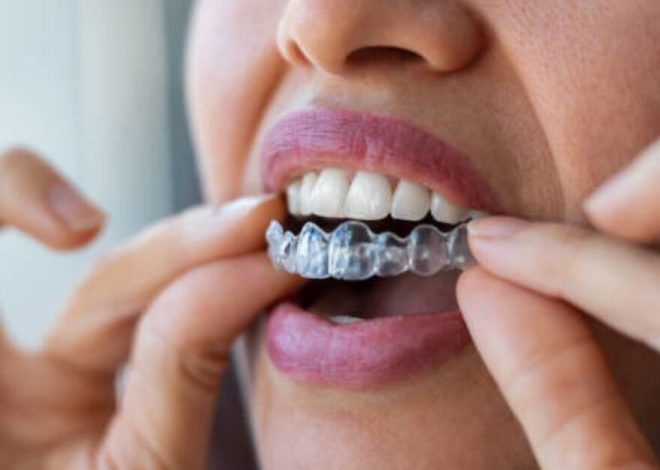
How Invisalign Aligners Reduce Orthodontic Relapse Rates Through Advanced Retention Planning
Understanding the Challenge of Orthodontic Relapse
Orthodontic relapse remains one of the most frustrating phenomena in dental treatment, affecting patients who have invested considerable time and resources into achieving their perfect smile. The tendency for teeth to drift back towards their original positions following treatment has long plagued both practitioners and patients alike. However, Invisalign in Plymouth have revolutionised the approach to retention planning, offering sophisticated solutions that address the root causes of relapse with unprecedented precision.
The science behind tooth movement is complex, involving the delicate balance between bone remodelling and the natural elastic memory of periodontal ligaments. When orthodontic appliances are removed, these tissues possess an inherent tendency to guide teeth back towards their pre-treatment positions. Traditional orthodontic methods have historically struggled to maintain treatment outcomes over extended periods, with studies indicating that relapse can occur in up to 70% of cases without proper retention protocols.
The Revolutionary Approach of Clear Aligner Technology
Clear aligner systems have fundamentally transformed retention planning through their unique digital workflow and treatment philosophy. Unlike conventional bracket-and-wire orthodontics, these systems incorporate retention considerations from the very beginning of treatment planning. The digital treatment simulation allows clinicians to anticipate potential areas of instability and design retention strategies that specifically target these vulnerable zones.
One of the most significant advantages lies in the gradual, controlled nature of tooth movement achieved through sequential aligners. This methodical approach allows for better bone remodelling and tissue adaptation throughout the treatment process. Research has demonstrated that slower, more controlled orthodontic movement results in more stable long-term outcomes, as the surrounding periodontal structures have adequate time to reorganise and stabilise around the new tooth positions.
Precision Planning Through Digital Treatment Protocols
The digital nature of modern aligner treatment enables practitioners to implement sophisticated retention strategies that were previously impossible with traditional methods. Advanced software algorithms analyse the biomechanics of each individual case, identifying teeth that are at higher risk of relapse based on their initial position, root anatomy, and the extent of movement required.
For patients seeking Invisalign in Plymouth, this technological advantage translates into personalised retention protocols tailored to their specific dental anatomy and treatment objectives. The three-dimensional treatment planning process allows for precise overcorrection in areas prone to relapse, ensuring that the final tooth positions account for the natural settling that occurs post-treatment.
Integrated Retention Systems and Patient Compliance
The seamless transition from active treatment to retention represents another critical advantage of clear aligner systems. Patients who have become accustomed to wearing removable aligners throughout their treatment find the adjustment to retainers far less challenging than those transitioning from fixed appliances. This familiarity significantly improves compliance rates, which research consistently identifies as the single most important factor in preventing relapse.
Modern retention protocols now incorporate hybrid approaches that combine the benefits of both fixed and removable retainers. Clear aligner manufacturers have developed specialised retention aligners that are more durable than treatment aligners, designed specifically for long-term wear. These retention devices maintain the aesthetic advantages that initially attracted many patients to clear aligner treatment whilst providing robust protection against tooth movement.
The Role of Continuous Monitoring in Maintaining Results
Advanced retention planning extends beyond the provision of retainers to encompass ongoing monitoring and adjustment strategies. Digital scanning technology enables practitioners to track subtle changes in tooth position over time, allowing for early intervention before significant relapse occurs. This proactive approach represents a paradigm shift from reactive treatment of established relapse to preventive maintenance of orthodontic outcomes.
Understanding the causes and preventive strategies for orthodontic relapse has become increasingly sophisticated, with evidence-based protocols now informing retention planning at every stage. The ability to fabricate new aligners from digital records means that minor corrections can be implemented swiftly and efficiently, preventing the need for comprehensive re-treatment.
Evidence-Based Outcomes and Long-Term Stability
Clinical evidence continues to accumulate demonstrating the superior stability achieved through advanced clear aligner retention protocols. Studies examining long-term orthodontic stability outcomes have shown that patients following structured retention programmes experience significantly lower relapse rates compared to historical data from traditional orthodontic approaches.
The combination of precise biomechanical control during treatment, personalised retention planning, and ongoing digital monitoring creates a comprehensive system for maintaining orthodontic results. This integrated approach addresses the multifactorial nature of relapse, targeting both biological and behavioural factors that contribute to post-treatment tooth movement.
Achieving Lasting Orthodontic Success
The advancement of clear aligner technology has fundamentally improved the prognosis for long-term orthodontic stability. Through sophisticated digital planning, controlled tooth movement, and comprehensive retention strategies, modern orthodontic treatment offers patients realistic expectations of maintaining their investment in a beautiful smile for years to come.
Why Dental SEO Fails Without Understanding Patient Search Intent
The Hidden Factor Behind Unsuccessful Dental Marketing Campaigns
Dental practices across the United Kingdom invest considerable resources into their online presence, yet many find themselves puzzled by lacklustre results. The culprit often lies not in the technical aspects of search engine optimisation, but in a fundamental misunderstanding of what prospective patients actually seek when they turn to Google. Without grasping the nuances of patient search intent, even the most meticulously crafted dental SEO strategy can fall disappointingly flat.
Search intent represents the underlying motivation behind every query typed into a search engine. When someone searches for ’emergency dentist near me’ at two o’clock in the morning, they possess entirely different needs compared to someone researching ‘best teeth whitening options’ during their lunch break. The former requires immediate assistance, whilst the latter seeks educational content to inform a future decision. Dental practices that fail to distinguish between these intent types often create content that misses the mark entirely.
The Four Pillars of Patient Search Intent
Understanding search intent in healthcare marketing requires recognising four distinct categories that govern how patients interact with search engines. Each category demands a tailored approach to content creation and website optimisation.
Informational Intent
Patients with informational intent seek knowledge rather than immediate services. They might search for ‘what causes sensitive teeth’ or ‘how long do dental implants last’, as they educate themselves about oral health matters. These individuals represent the top of the conversion funnel, and practices that provide comprehensive, authoritative answers position themselves as trusted experts. Content targeting this intent should focus on education rather than aggressive promotion.
Navigational Intent
Navigational searches occur when patients already know which practice they wish to visit and simply need to find the website or contact details. Queries such as ‘Harley Street Dental Clinic’ or ‘Dr Smith dentist Manchester’ fall into this category. Whilst these searches might seem straightforward, practices must ensure their online presence is sufficiently robust that patients can easily locate them without encountering outdated information or competitor interference.
Commercial Investigation Intent
This intent category captures patients who have decided they need dental services but remain in the comparison phase. Searches like ‘best cosmetic dentist in Leeds’ or ‘affordable Invisalign providers’ indicate readiness to engage, though the patient still evaluates options. Practices must optimise for these queries by showcasing credentials, patient testimonials, and clear value propositions that differentiate them from competitors. A comprehensive healthcare SEO strategy addresses this intent with service pages that balance persuasive elements with factual information.
Transactional Intent
Transactional searches signal immediate readiness to book an appointment or take action. Phrases such as ‘book dental check-up today’ or ’emergency dentist open now’ demonstrate high conversion potential. Websites must facilitate seamless booking processes, display clear contact information prominently, and ensure mobile responsiveness for patients searching on their phones while experiencing dental emergencies.
Common Pitfalls in Dental Practice Optimisation
Many dental practices make the critical error of creating content that serves only one type of search intent, typically focusing heavily on transactional keywords while neglecting informational content. This approach severely limits their visibility to patients in earlier stages of the decision-making journey. Others produce excellent educational content but fail to include clear pathways for conversion when patients become ready to book appointments.
Another frequent mistake involves keyword stuffing without consideration for natural patient language. Whilst ‘dentist London’ might seem like an obvious target phrase, patients increasingly use conversational queries such as ‘where can I find a gentle dentist for anxious patients in London’. Modern search algorithms reward content strategies that prioritise user experience and natural language over mechanical keyword insertion.
Aligning Strategy with Patient Needs
Success in dental practice marketing requires a holistic approach that addresses all four intent types throughout the patient journey. Practices should audit their existing content to identify gaps, then develop materials that guide patients from initial awareness through to appointment booking. This means maintaining an informative blog for educational queries, optimising service pages for commercial investigation, and streamlining booking systems for transactional intent.
By placing patient search intent at the heart of their optimisation efforts, dental practices can transform their online presence from a static digital brochure into a dynamic tool that attracts, educates, and converts prospective patients at every stage of their journey.